

Employment ADR in Paramus, NJ: Mediation vs. Arbitration for Workplace Disputes
Key Takeaways:
Alternative Dispute Resolution (ADR) includes mediation, arbitration, and direct negotiation. “Mediation and negotiation” let the parties decide whether to settle; “binding arbitration” generally lets an arbitrator decide. The appropriate process depends on the dispute, applicable law, and any employment agreement.
Employment ADR in Paramus, NJ, provides employees and employers with ways to address workplace disputes outside a traditional trial. However, mediation, arbitration, and negotiation differ in cost, procedure, privacy, and control over the outcome. If you understand these differences, you can better evaluate your options before committing to a process.
What Does ADR Mean in Employment Law?
“ADR” is an umbrella term for resolving disagreements without a conventional court trial. The term may apply to wrongful termination, unpaid wages, contract disputes, retaliation, and workplace discrimination.
- In mediation, a neutral mediator helps the parties communicate and explore settlement, but the mediator cannot impose a result.
- In arbitration, a neutral arbitrator considers evidence and arguments and issues a decision. When arbitration is binding, the award generally binds both parties even if one disagrees.
- In direct negotiation, employees, employers, or their lawyers exchange proposals without a neutral third party. A settlement occurs only if both sides agree.
How Do Employment Arbitration Clauses Work?
An employment contract or workplace policy may require arbitration of covered disputes rather than litigation. Depending on the exact wording, the contract or policy may define covered claims, hearing procedures, arbitrator selection, payment of fees, discovery rights, and whether the decision is binding.
Not every provision is enforceable in every dispute. “Enforceability” depends on the agreement, how the parties accepted it, the claim type, and applicable law. Federal law also allows people bringing certain sexual harassment or sexual assault disputes to elect against enforcement of pre-dispute arbitration agreements.
What Are the Advantages and Trade-Offs?
- Cost and timing: Mediation can resolve disagreements efficiently when parties cooperate. Arbitration may move faster than litigation, but professional fees, hearings, and lengthy proceedings can increase costs.
- Privacy: Mediation and arbitration may offer more privacy than public litigation. However, confidentiality has exceptions, and private hearings do not necessarily mean every document or award is confidential.
- Discovery and formality: Arbitration typically involves more structured evidence presentation than mediation, but discovery may be narrower than in court. Limited access to employer-held records can matter to employees.
- Control and appeals: Mediation lets each side reject an unsatisfactory settlement. A binding arbitrator decides the outcome, with court challenges generally restricted to limited legal grounds.
Employees may prioritize access to evidence, remedies, and procedural fairness, whereas employers may prioritize efficiency, predictable procedures, and opportunities to settle.
What Should You Ask Before Agreeing to ADR?
Before you agree to engage in ADR, make sure you get these questions answered:
- Does an enforceable clause require arbitration of this claim?
- Who controls the outcome?
- Who pays the fees, and what discovery is available?
- What confidentiality protections and appeal rights apply?
- Could participating affect any filing deadlines or legal remedies?
A lawyer can assess these employment dispute options in Bergen County against your specific facts.
Frequently Asked Questions (FAQs):
Is mediation binding?
Participation does not require you to settle. A properly completed settlement agreement, however, may be legally enforceable.
Can I refuse arbitration?
An enforceable clause may require arbitration of covered claims, but exceptions and defenses may apply. Have the actual clause reviewed.
Can a lawyer attend ADR?
Yes. Counsel can evaluate evidence, negotiate terms, and advise you about procedural rights.
What if mediation fails?
You may still have negotiation, arbitration, administrative, or court options, depending on existing agreements and deadlines.
Having a Work-Related Dispute and Need Legal Guidance? Contact Our Experienced Paramus Employment ADR Lawyers at Carcich O’Shea to Explain Your Workplace Rights
Before choosing mediation or arbitration, review your agreement and the facts of your dispute. Our Paramus employment ADR lawyers at Carcich O’Shea assist employees and employers with employment contracts, workplace disputes, and mediation services. For an initial consultation, call us today at 201-988-1308 or submit our online contact form. Located in Hackensack, New Jersey, we proudly serve clients in the surrounding areas.
 Employment ADR in Paramus, NJ: Mediation vs. Arbitration for Workplace DisputesOctober 20, 2026
 How Employment Mediation Works in Bergen County, New JerseyOctober 12, 2026
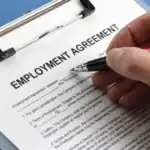 Modifying an Employment Contract in New Jersey: What Employees Need to Know Before SigningSeptember 30, 2026
 Overtime Pay Disputes: Know Your Rights Under New Jersey LawSeptember 18, 2026
 Employment Rights for Healthcare Workers in New Jersey: What Bergen County Employees Need to KnowSeptember 11, 2026