
What Is Implicit Bias in the Workplace?
“Implicit biases” are unconscious attitudes or assumptions that influence how individuals perceive and interact with others. In the workplace, these biases can shape decisions, behaviors, and outcomes without deliberate intent.
Unlike overt discrimination, implicit biases are often subtle and unrecognized by the person holding them. They can be based on factors such as race, gender, age, disability, or background. Even well-meaning employers and co-workers may act on these biases without realizing it. Recognizing how implicit biases operate is a critical step toward creating a fairer and more respectful work environment.
How Implicit Biases Appear at Work
Implicit biases can surface in many everyday workplace situations. They may influence who is perceived as leadership material, whose ideas are taken seriously in meetings, or who receives mentorship and advancement opportunities. For example, assumptions about communication styles or professionalism may unfairly favor certain employees over others, even when performance levels are comparable.
These biases can also affect performance evaluations and disciplinary decisions. Managers may unknowingly hold different expectations for different employees, which can result in inconsistent feedback or unequal consequences. Over time, these patterns may create disparities that impact morale, productivity, and trust within the organization. Recognizing that implicit bias exists helps explain why unequal outcomes can occur even in workplaces that value fairness.
Why Implicit Biases Matter to New Jersey Workers
For workers in New Jersey, implicit biases can have real consequences for career growth and workplace stability. When biases influence employment decisions, employees may face barriers to advancement, unequal treatment, or exclusion from important projects. This can affect income potential, professional development, and long-term job security.
Understanding implicit bias also empowers workers to recognize when workplace dynamics feel unfair. Awareness can help employees document concerns, seek clarification, or pursue appropriate internal or external remedies when necessary. New Jersey workplaces are diverse, and addressing implicit bias supports not only individual workers but also stronger, more compliant organizations that benefit from inclusive practices.
Addressing and Reducing Implicit Biases
Reducing implicit bias requires intentional effort at both the organizational and individual levels. Employers may implement training programs, standardized evaluation processes, and transparent decision-making structures to limit the influence of unconscious assumptions. These steps can help ensure that employment decisions are based on objective criteria rather than perceptions.
Employees can also play a role by reflecting on their own assumptions and advocating for fairness in the workplace. Speaking up about concerns, supporting colleagues, and engaging in open dialogue can contribute to a healthier work environment. While implicit biases may never be fully eliminated, awareness and proactive measures can significantly reduce their impact and promote equity for New Jersey workers.
Frequently Asked Questions:
Can implicit bias exist even if discrimination is unintentional?
Yes. Implicit bias operates unconsciously, meaning a person may not intend to treat someone unfairly. Even without harmful intent, these biases can still influence decisions and behaviors in ways that disadvantage certain employees. Intent is not always required for workplace harm to occur.
Is implicit bias the same as illegal discrimination?
Implicit bias and illegal discrimination are not identical, but they can be related. Implicit bias refers to unconscious attitudes, while discrimination involves unfair treatment. When biased actions result in unequal treatment based on protected characteristics, legal concerns may arise.
How can workers recognize implicit bias in their workplace?
Workers may notice patterns such as unequal opportunities, inconsistent evaluations, or repeated exclusion of certain employees. Paying attention to trends rather than isolated incidents can help identify whether implicit bias may be influencing workplace decisions.
What steps can employees take if they believe bias is affecting them?
Employees may consider documenting incidents, reviewing company policies, and raising concerns through appropriate channels. Seeking guidance from a qualified employment law firm can also help workers understand their rights and available options.
Our Westwood Discrimination Lawyers at Carcich O’Shea Fight to Protect Your Workplace Rights
Speak with our Westwood discrimination lawyers at Carcich O’Shea today. For an initial consultation, call us at 201-988-1308 or submit our online contact form. Located in Hackensack, New Jersey, we proudly serve clients in the surrounding areas.
 What Is Implicit Bias in the Workplace?January 30, 2026
 What Is an At-Will Employee?January 12, 2026
 What Are Your Rights as a Whistleblower in New Jersey: What Bergen County Employees Should KnowDecember 29, 2025
 Whistleblower vs. Complainant: What Is the Legal Difference in NJ?November 27, 2025
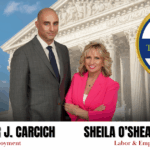 Carcich O’Shea Partners Named 2025 Bergen County Top LawyersNovember 12, 2025